What Wildfire Smoke and Ash Are Doing to Your Car's Paint Right Now
Detailing Tips
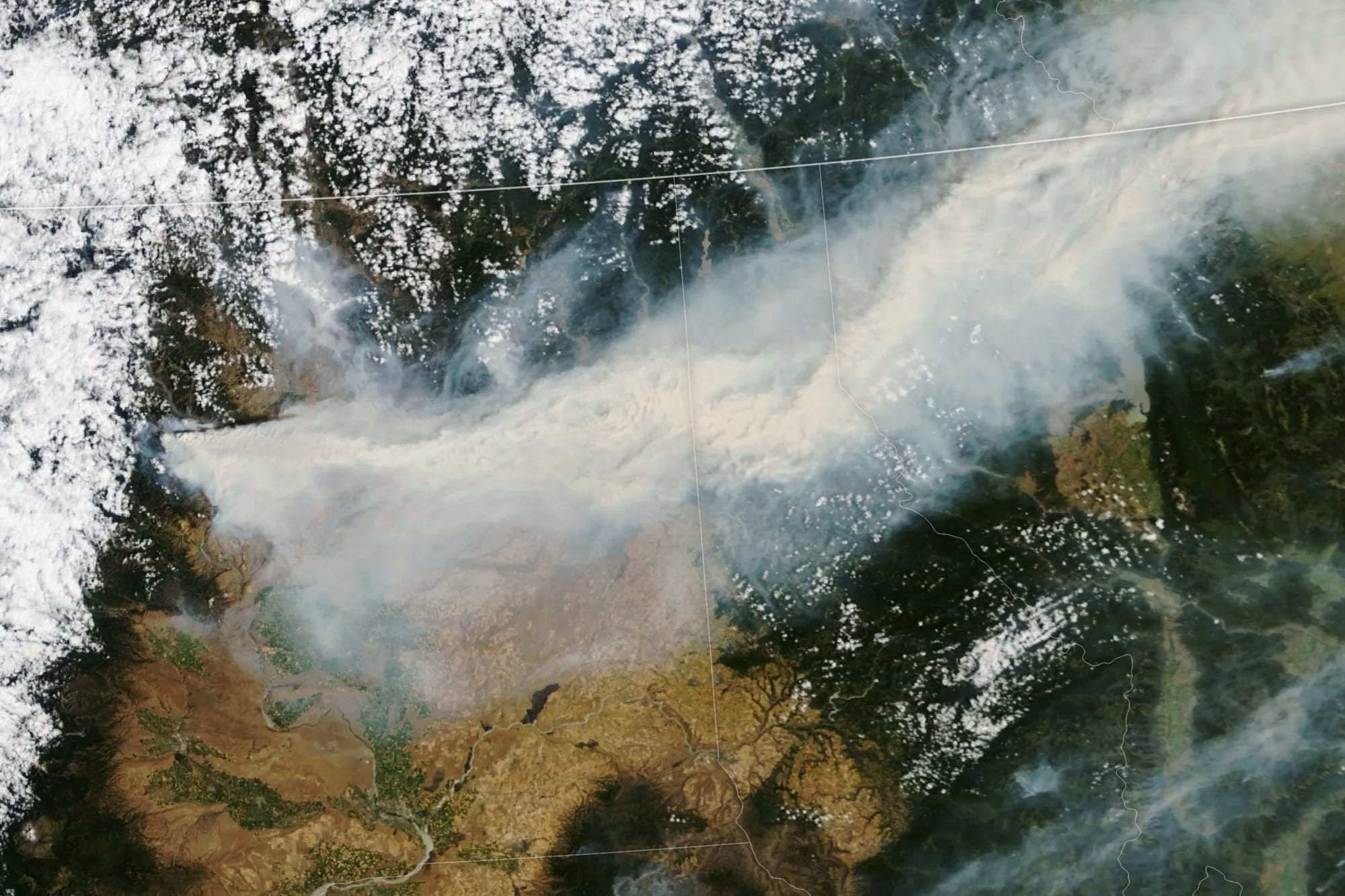
Wildfire smoke and ash can etch paint, clog filters, and dull your finish. Here's what it's doing to your car in Vancouver, WA and how to protect it.
If you've stepped outside in Vancouver or Portland this week, you've probably noticed the haze — smoke from the wildfires burning across eastern Oregon and Washington (including the fires near Spokane) plus Canadian smoke drifting down from Ontario has pushed air quality into the unhealthy range for cities up and down the I-5 corridor. Most people think about what that smoke is doing to their lungs. Not many think about what it's doing to their car. But if your vehicle's been sitting outside the last few weeks, its paint has been taking a beating too — and the damage isn't always obvious until it's already done.
What Smoke and Ash Actually Do to Your Paint
Wildfire ash isn't just dirt. It's a mix of fine particulates, unburned carbon, and — depending on what's burning — resins and chemical residue that can be mildly acidic or alkaline. When ash settles on a hot hood or roof and then gets a little morning dew or a light sprinkle on it, that combination can start to etch into clear coat before you even notice it's there. The longer it sits, the more it bonds to the finish.
Smoke itself carries fine soot particles that settle into a thin film across every horizontal surface — hood, roof, trunk lid — and work their way into the microscopic texture of the clear coat. That's part of why paint parked outside during heavy smoke days starts looking dull and hazy even without visible dirt.
It's Not Just the Paint
- Ash scratches when you wipe it wrong. Ash particles are abrasive. Wiping a dusty, ash-covered car with a dry towel — even a "quick swipe" before you drive — is one of the fastest ways to put fine swirl marks into your clear coat.
- Cabin air filters take a hit. Heavy smoke days mean your cabin air filter is working overtime. If it's already due for a change, this is the season it'll show.
- Rubber and trim dry out faster. Smoke-heavy air tends to come with hot, dry conditions that accelerate fading and cracking on tires, trim, and rubber seals.
- Headlights haze up quicker. Soot film plus UV exposure is a rough combo for headlight lenses, especially on cars that already had some oxidation starting.
What to Do Right Now
- Rinse before you wipe. A plain water rinse knocks off loose ash and soot before it has a chance to grind into the paint. Skip the dry towel entirely on smoky days.
- Park under cover if you can. A carport, garage, or even a car cover cuts down on how much ash actually lands and sits on the paint.
- Don't let it sit. The longer ash stays on the paint — especially with any moisture — the more likely it is to etch rather than just sit on the surface.
- Check your cabin air filter. If it hasn't been changed this year, smoke season is a good reason to do it now.
How to Protect Your Car for the Rest of Wildfire Season
Smoke season in the Northwest isn't a one-week problem — it tends to come in waves through August and into September. If your car's been sitting outside through it, here's where most owners start:
- Paint correction if ash or soot has already left etching, dullness, or fine scratching in the clear coat.
- Ceramic coating if you want a slicker, more chemical-resistant surface so ash and soot rinse off instead of bonding — and so your regular washes actually stay easier all season.
- Full detail if the smoke haze has worked its way into the cabin too and the interior needs a reset.
If you're not sure what your car needs, our 60-second quiz (https://brenndon-uzyzzgqx.scoreapp.com) will point you to the right service. Or call us at (360) 513-6564 and we'll get you booked before the next smoke day rolls through.
Related reading
Smoke season usually ends right as water-spot season peaks, so it's worth reading how to remove water spots too. And if you want a surface that shrugs off ash, acid rain, and road film year-round, see our ceramic coating and auto detailing services.