Rodents in Your Car: How to Get Rid of Mice, the Smell, and the Mess for Good
Detailing Tips
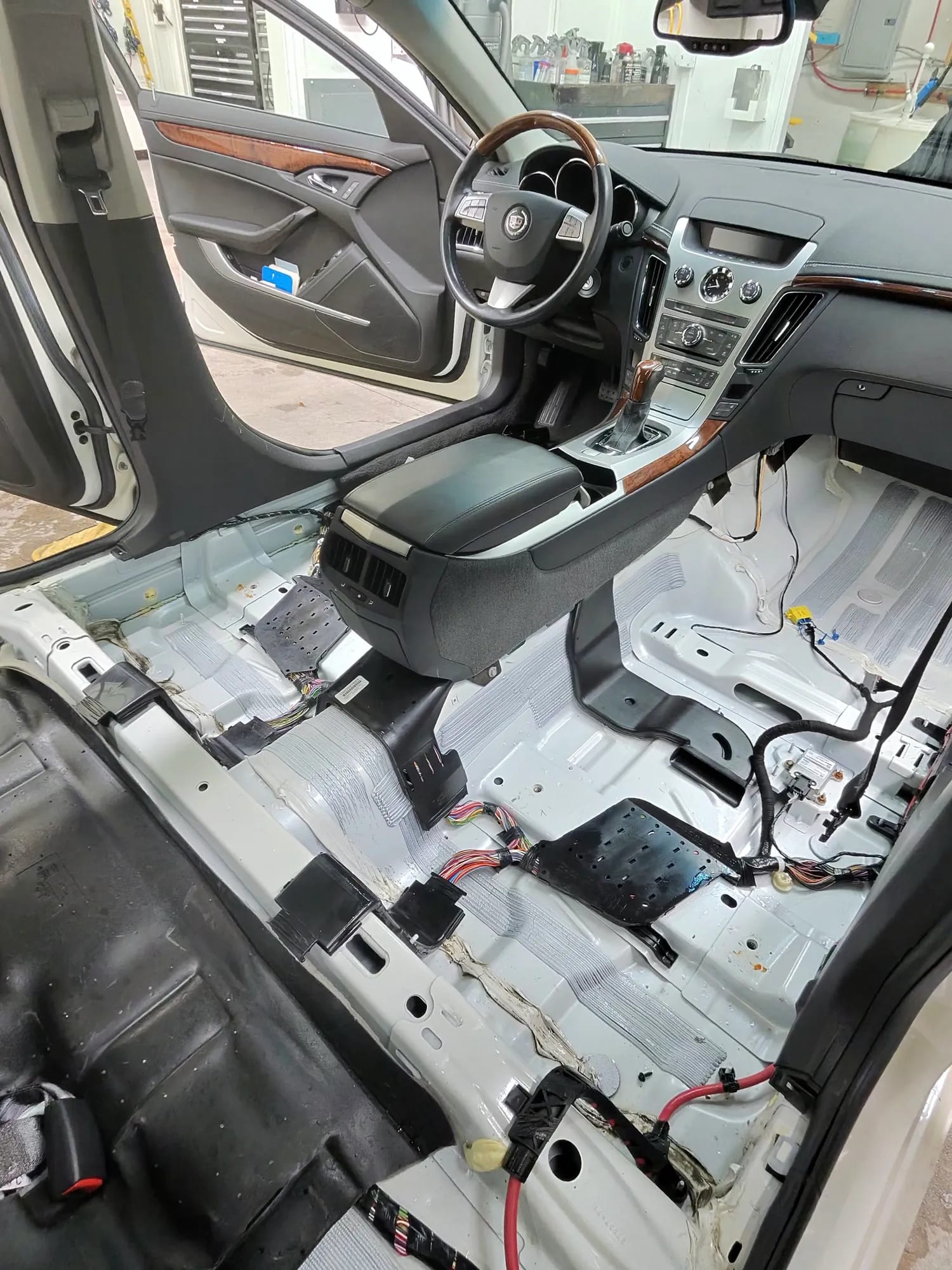
Found droppings or a smell in the vents? The complete guide to rodents in cars: signs, safe cleanup, when you need a full tear-down, and how to keep them out.
Every fall, as soon as the nights get cold and wet, we start getting the same phone call: "Something smells awful in my car, and I found droppings on the seat." Mice and rats are looking for somewhere warm and dry to spend the winter, and a parked car is close to perfect. The engine bay holds heat for hours, the cabin is sealed from the rain, and there's usually a stray french fry or a bag of dog food in the trunk. Around Vancouver and Clark County this is one of the most common interior problems we see from November through March.
This is the complete guide: how to tell if you have rodents, what they're doing to your car, how to clean up safely if you want to tackle it yourself, when it's time for a full professional remediation, and how to keep them from coming back.
Why rodents move into cars in the fall
Rodents are driven by three things: warmth, shelter, and food. In summer they have all three outdoors. When the temperature drops and the rain starts, a car becomes the warmest, driest structure in your driveway, and it has an open floor plan. Mice can squeeze through a gap about the width of a pencil, and every car has dozens of those: the cabin air intake at the base of the windshield, drain holes, wiring grommets through the firewall, gaps around the steering column, and the space between the fender liner and the body.
A car that sits for days at a time is at the highest risk. An engine bay that's warm every morning gets investigated; an engine bay that's warm once a week becomes a home. RVs, boats on trailers, second cars, and anything parked near a woodpile, field, or compost bin are the most common victims.
Signs you have rodents in your car
- A sharp, ammonia-like smell that gets worse when the heat or fan is on. That's urine in the HVAC system.
- Droppings. Mouse droppings are small, dark, and rice-shaped; rat droppings are bigger, about the size of a bean. Look on the seats, in the door pockets, under the seats, in the trunk, and on top of the engine.
- Shredded material. Insulation, paper, fabric, leaves, or dryer lint packed into a corner of the engine bay, on top of the cabin air filter, in the glovebox, or under a seat.
- Chewed wiring, hoses, or plastic. Rodents gnaw constantly to keep their teeth worn down, and wire insulation is soft.
- A check engine light, a warning light that comes and goes, or an electrical gremlin that started suddenly.
- Grease marks or tiny footprints in the dust on the engine cover or along the cowl.
- Scratching or rustling sounds from the dash when the car is parked.
What they do to a vehicle
The smell is the part people notice, but the damage is the part that costs money.
Wiring is the big one. Many modern vehicles use wire insulation that contains soy or other plant-based materials, and rodents find it appealing. A chewed harness can mean anything from a dead headlight to a no-start to a fried module, and tracing an intermittent electrical fault caused by a single gnawed wire can take a technician hours. Some comprehensive insurance policies cover rodent damage; many don't, so check yours.
The HVAC system is the next most common casualty. The cabin air filter is directly in the path from the cowl to the vents, and it's a favorite nesting spot. A nest on the filter restricts airflow, and urine and droppings in the blower box mean every time you turn on the defrost you're breathing it.
Then there's the interior itself. Rodents nest in seat foam, under the carpet, inside door panels, and in the headliner. Urine soaks into padding and foam, and the smell will not come out with a shampoo. Droppings end up in places you can't see or reach.
Why this is a health issue
Rodent droppings, urine, and nesting material can carry bacteria and viruses. The one public health agencies worry about most is hantavirus, which is carried by deer mice in the western United States and spread when dried droppings or urine are stirred up and inhaled. It's rare, but serious. According to the National Park Service's guidance based on CDC protocol, the single most important rule is to never sweep or vacuum dry droppings, because that's exactly what puts the particles into the air. That applies doubly inside a car, where the air volume is tiny and the HVAC fan will circulate whatever you kick up.
Beyond hantavirus, rodent waste can carry salmonella and leptospirosis, and the dust from a nest is a strong allergen and asthma trigger. Kids and anyone with a respiratory condition should stay out of a contaminated vehicle until it's been cleaned.
How to clean up a light rodent problem yourself
If you've found a few droppings and no nest, no smell in the vents, and no chewed wiring, you can handle it at home. Follow the protocol public health agencies recommend:
- Air it out first. Open all the doors and leave the car for at least 30 minutes before you start. Do not run the fan.
- Gear up. Wear disposable or rubber gloves. An N95 mask is a good idea, especially if the droppings look old and dry.
- Do not sweep, brush, or vacuum anything dry. This is the rule people break most often.
- Make a disinfectant. One part household bleach to ten parts water, mixed fresh, or an EPA-registered disinfectant. Bleach can discolor fabric and leather, so test it or use a disinfectant labeled for upholstery on soft surfaces.
- Soak everything. Spray the droppings, nest material, and about a two-foot area around them until wet. Let it sit for at least 10 minutes.
- Pick it up, don't scrape it. Use paper towels to lift the soaked material. Put it in a plastic bag, seal it, put that bag in a second bag, and seal that.
- Wipe down every hard surface the rodents could have touched: door pockets, console, seat tracks, cup holders, the trunk floor.
- Replace the cabin air filter. This is not optional. Even if it looks clean, it's been in the airflow.
- Shampoo or steam clean fabric and carpet with a disinfecting cleaner, then let the car dry completely with the doors open.
- Bag your gloves, wash your hands and forearms with soap and water, and wash the clothes you wore.
If the smell is gone after a few days of driving with the windows cracked, you're done. If it's still there, or it's coming out of the vents, the problem is deeper than you can reach.
When it's a job for professional remediation
Some situations can't be fixed from the top down:
- You can smell it in the vents. That means contamination in the blower housing, the ducts, or the evaporator box, none of which you can reach without taking the dash apart.
- You found a nest, or you've found droppings more than once. Nests mean there's a population and there's urine soaked into whatever the nest sits on.
- The smell survives a shampoo. Urine has gone through the carpet into the padding, or into seat foam, and padding can't be cleaned, only replaced.
- There's chewed wiring. The electrical repair needs to happen alongside the cleanup, and the wiring harness usually runs under the carpet and through the same areas the nest was in.
- The car has been sitting for weeks or months, or it's a flood of droppings rather than a handful.
How we remediate rodent damage at AutoSpa 360
We handle rodent jobs the same way we handle mold: the only way to get everything is to take the interior out. For a sedan this is roughly a full day of shop time.
1. Full interior tear-down
We remove the seats, carpet, carpet padding, door panels, kick panels, trim, and whatever else is needed to reach the contamination, and take the interior down to the bare metal floor pan. Every nest, every pile of droppings, and every urine-soaked piece of padding comes out. Padding and carpet that have absorbed urine are replaced; there's no cleaning them.
2. Find the entry points and the damage
With the interior out we can see where they got in and what they chewed. We inspect the wiring harness, the firewall grommets, the HVAC box, and the cowl area. If there's electrical damage, we document it so it can be repaired before the car goes back together. If there's a gap they used, we close it.
3. HVAC system cleaning
We open the blower housing, remove and replace the cabin air filter, and clean the ducts and the evaporator box. This is where the smell in the vents lives.
4. Disinfection
Everything that stays in the car gets treated with a hospital-grade disinfectant, and we run an ozone generator in the sealed, empty cabin to neutralize odor and biological material in the places we can't physically wipe, deep in the ducts and foam. The car is fully aired out before it's returned.
5. Reassemble and detail
We reinstall the interior with new padding and carpet where needed, then do a complete interior detail so the car comes back clean and smelling like nothing.
How to keep rodents out of your car
Getting rid of them is half the job. Keeping them out is the other half, and most of it is cheap.
- Park in a garage if you have one, and keep the garage door closed. If you park outside, keep the car away from woodpiles, shrubs, compost, and bird feeders.
- Drive the car. A vehicle that moves every day or two is far less attractive than one that sits.
- Pop the hood once a week during the cold months and look for nesting material, droppings, or chewed insulation. Catching it in week one is a ten-minute cleanup; catching it in month three is a tear-down.
- Clear out the food. No snacks, pet food, grocery bags, or crumbs left in the cabin or trunk. Vacuum the floor regularly.
- Replace the cabin air filter on schedule and check it for nesting material when you do.
- Seal gaps you can see with steel wool or rodent-proof mesh; they can't chew through it.
- Repellents help at the margins. Peppermint oil on cotton balls in the engine bay and cabin, rodent-repellent tape on exposed wiring, and ultrasonic deterrents all have fans. None of them replace the steps above.
- Set traps in the garage or near where the car parks. Skip poison baits near the car; a poisoned rodent that dies inside the dash is a much worse problem than a live one.
- If you store a vehicle, RV, or boat for the winter, leave the hood up in a closed garage (rodents prefer enclosed spaces), put traps around it, and check on it monthly.
Frequently asked questions
How do I get the rodent smell out of my car?
If the smell is light and on surfaces, disinfecting and shampooing with the cabin air filter replaced will usually clear it. If it's coming from the vents or it comes back after cleaning, urine has soaked into padding, foam, or the HVAC box, and the only fix is removing the contaminated material and treating the ducts.
Can I just use an ozone generator myself?
Ozone neutralizes odor and kills surface organisms, but it doesn't remove urine-soaked padding or a nest in the blower box. On its own it masks the problem for a few weeks. Consumer ozone units are also hazardous if run with anyone inside the vehicle. We use ozone as the last step after everything contaminated is physically out.
Does insurance cover rodent damage to a car?
Sometimes. Comprehensive coverage on many policies includes rodent damage to wiring and interior, but not all do, and deductibles vary. Call your agent before you start repairs, and take photos of everything before it's cleaned up.
Will the rodents come back?
If nothing changes, yes. The car is just as warm and just as accessible as it was before. Sealing entry points, removing food, and parking smarter are what actually stop a repeat.
How long does rodent remediation take?
Plan on about a day of shop time for a sedan, more for SUVs, trucks, and RVs, and more if wiring repair is needed. Most customers drop the car off and pick it up in a day or two.
What does it cost?
It depends on how far the contamination spread, what needs replacing, and whether there's wiring damage. Every job starts with an inspection and a clear quote before we begin.
Found droppings? Let's take a look
If you've found signs of rodents, or your car has that smell, bring it by before it gets worse. We'll inspect it, show you what we found, and give you an honest quote. We serve Vancouver, Camas, Battle Ground, Ridgefield, and the Portland metro.
Call us at (360) 513-6564 or book online. Related reading: our guide to car mold removal covers the same tear-down process for moisture problems, and our interior detailing and upholstery repair pages cover what we can restore once the car is clean.